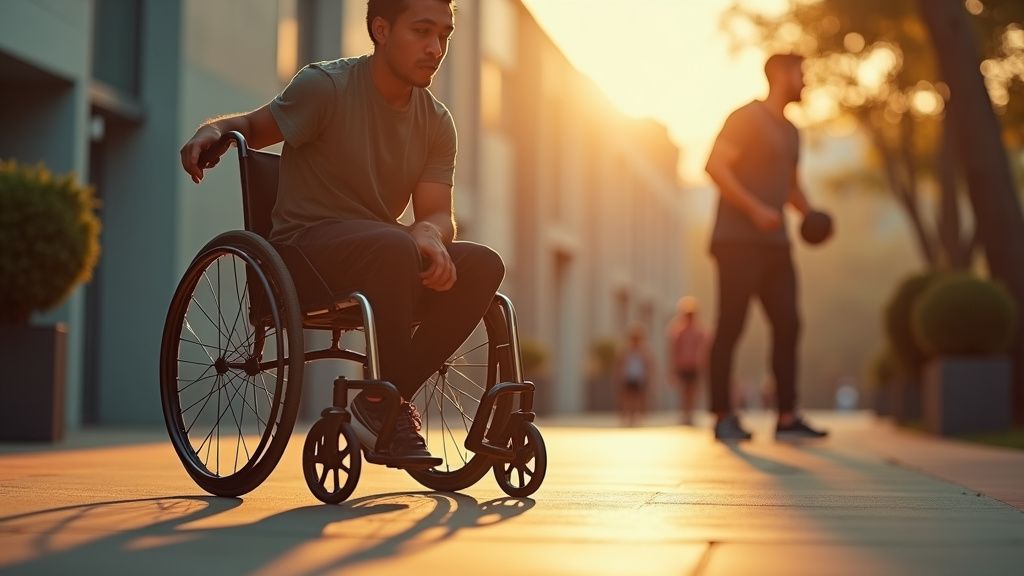
Gear Up for Fun: Understanding NDIS Funding for Sports Equipment
For many Participants, engaging in sports and recreation is a vital part of a fulfilling life. It promotes physical and mental well-being, encourages social interaction, and builds confidence. The good news is that the National Disability Insurance Scheme (NDIS) can provide funding for certain sports equipment, helping Participants achieve their goals and participate more fully in their chosen activities. However, navigating the funding process can sometimes feel overwhelming. This post aims to demystify the process and provide practical guidance on what types of sports equipment the NDIS may fund.
See our complete NDIS Funding For Recreation And Sports guide
Key NDIS Considerations for Sports Equipment Funding
The NDIS is designed to support Participants with a disability-related need. Funding for sports equipment isn't automatic; it hinges on demonstrating a clear link between the equipment and the Participant's disability, and how it helps them achieve their goals outlined in their NDIS Plan. The NDIA (National Disability Insurance Agency) will consider several key factors:
- Reasonable and Necessary: The NDIS only funds supports that are considered "reasonable and necessary." This means the equipment must be directly related to the Participant's disability, contribute to their independence and social inclusion, and represent value for money. It also needs to be likely to be effective and beneficial for the Participant.
- Link to Goals: A crucial element is demonstrating how the sports equipment aligns with the Participant's goals. For example, if a Participant's goal is to improve their physical fitness and participate in community activities, equipment like a specialised bike or adaptive swimming gear could be relevant. The clearer the link, the stronger the case for funding.
- Alternative Options: The NDIA will want to know if there are alternative, less costly ways to achieve the same outcomes. For instance, could the Participant access suitable equipment through a local sports club or community program? Exploring these options and documenting why they are unsuitable (if applicable) is essential.
- Therapeutic Benefit: Equipment that provides a therapeutic benefit, such as improving strength, coordination, or range of motion, is more likely to be funded. Having a therapist (physiotherapist, occupational therapist, etc.) assess the Participant's needs and provide a supporting report detailing the therapeutic benefits of the equipment can significantly strengthen the funding application.
- Safety: Safety is paramount. The NDIS will want assurance that the equipment is safe for the Participant to use and that any necessary training or support is in place.
- Maintenance and Repairs: The long-term costs associated with the equipment, including maintenance, repairs, and replacement, will be considered. The Plan may also need to cover the cost of these ongoing requirements.
What Kind of Sports Equipment Can the NDIS Fund?
While there's no definitive list of "approved" sports equipment, here are some examples of equipment that may be funded, depending on individual circumstances and the factors mentioned above:
- Adaptive Equipment: This includes modified equipment designed to accommodate specific disabilities. Examples include:
- Adaptive bikes: Hand cycles, tricycles with back support, or bikes with adapted gears.
- Adaptive kayaks and canoes: Kayaks with supportive seating or adapted paddles.
- Sports wheelchairs: Wheelchairs designed for specific sports like basketball, tennis, or racing.
- Modified sporting implements: Adapted bats, rackets, or balls.
- Assistive Technology: Equipment that helps Participants perform tasks more easily or safely. Examples include:
- Communication devices: To facilitate communication during sports activities.
- Sensory equipment: To help Participants regulate sensory input during sports.
- GPS trackers: For safety during outdoor activities.
- Equipment for Specific Sports:
- Swimming aids: Adapted swimming boards, flotation devices, or specialised swimwear.
- Gym equipment: Adapted weights, exercise machines, or sensory-friendly gym equipment.
- Equipment for team sports: Modified jerseys, helmets, or protective gear.
Important Note: The NDIS is generally less likely to fund standard sporting equipment (like a regular basketball or a standard bicycle) unless a clear disability-related need is demonstrated. The focus is on equipment that is specifically required due to the Participant's disability.
Practical Steps to Secure NDIS Funding for Sports Equipment
Following these practical steps can increase the likelihood of your request being approved:
- Identify Goals: Clearly define the Participant's goals related to sports and recreation. What do they want to achieve? How will participating in sports improve their quality of life?
- Consult with Professionals: Seek advice from relevant professionals such as physiotherapists, occupational therapists, or exercise physiologists. They can assess the Participant's needs, recommend appropriate equipment, and provide supporting documentation outlining the therapeutic benefits.
- Gather Evidence: Collect evidence to support your request, including:
- Therapist reports: Detailed reports outlining the Participant's needs and the benefits of the equipment.
- Quotes: Obtain quotes from reputable suppliers for the equipment.
- Photos or videos: Visual evidence can help demonstrate the need for the equipment.
- Letters of support: Letters from family, friends, or support workers can provide additional context.
- Prepare a Detailed Request: When submitting your request to the NDIA, be clear and concise. Explain:
- The Participant's disability and how it impacts their ability to participate in sports.
- The specific equipment you are requesting and why it is needed.
- How the equipment will help the Participant achieve their goals.
- The therapeutic benefits of the equipment.
- Any alternative options you have considered and why they are unsuitable.
- Utilise Relevant Support Categories: Funding for sports equipment can potentially come from various support categories within the NDIS Plan, depending on the purpose of the equipment. These may include:
- Assistive Technology: For equipment that directly assists with daily living or participation in activities.
- Capacity Building - Improved Health and Wellbeing: If the equipment contributes to improved physical or mental health.
- Capacity Building – Increased Social and Community Participation: If the equipment facilitates greater participation in community activities.
- Advocate for Your Needs: Don't be afraid to advocate for the Participant's needs. If your initial request is denied, you have the right to request an internal review or appeal the decision. Consider engaging an NDIS advocate to assist with this process.
Conclusion
Securing NDIS funding for sports equipment can significantly enhance the lives of Participants, enabling them to participate more fully in their chosen activities and achieve their goals. By understanding the NDIS criteria, gathering strong evidence, and advocating for your needs, you can increase the likelihood of a successful outcome. Remember to focus on the disability-related need, the link to the Participant's goals, and the therapeutic benefits of the equipment. With careful planning and a proactive approach, you can help Participants gear up for fun and enjoy the many benefits of sports and recreation.